|
|
|
Problematics
Global agricultural and food systems today face a range of complex challenges arising from climate change, water scarcity, soil degradation, and increasing biotic pressures. These challenges are further exacerbated in arid and semi-arid regions due to limited water resources and the rising prevalence of plant pathogens, which reduce the productivity of crops such as cereals (e.g., wheat), threaten food security, undermine ecosystem resilience, and impact food availability and safety. Conventional approaches to water treatment and plant protection often relying on chemical inputs have proven limited, as they cause environmental pollution, disrupt soil microbiomes, foster resistant fungal strains, and lack long-term sustainability, while negatively affecting food quality and safety.
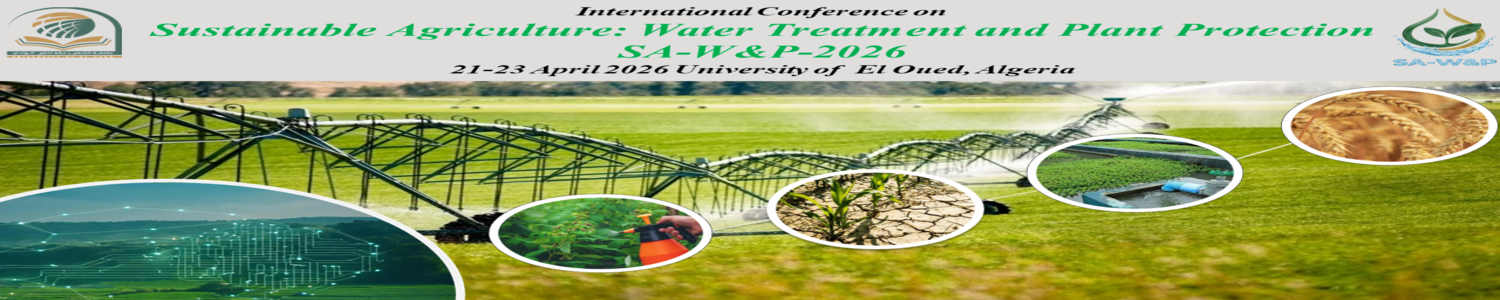
The "International Conference on Sustainable Agriculture: Water Treatment and Plant Protection " responds to the urgent need to develop integrated, science-based solutions to improve water-use efficiency, protect food crops such as cereals, enhance plant resilience, minimize environmental impact, and ensure food safety. This conference addresses the growing demand for advanced technologies, including environmentally friendly water treatment systems, nanotechnology-enhanced plant protection tools, natural solutions, and biological innovations that enable sustainable agricultural performance under changing climatic conditions.
In alignment with the strategic priorities of the PRIMA program, the conference focuses on promoting research collaboration, innovation, and capacity building across Mediterranean countries, supporting the development of practical, locally relevant solutions for the sustainable management of water and food crops, while safeguarding food quality. The event also directly contributes to achieving several Sustainable Development Goals, notably Goals 2 (Zero Hunger), 6 (Clean Water and Sanitation), 12 (Responsible Consumption and Production), and 15 (Life on Land), by strengthening resilient agricultural systems and promoting environmentally responsible practices.
The main issue addressed by the conference is the need to shift from conventional intensive agricultural models to integrated, multidisciplinary strategies that simultaneously improve water management, enhance plant health and protection, and preserve natural resources, ensuring the production of safe and sustainable food crops such as cereals. This transition requires advanced scientific collaboration, evidence-based policies, and the adoption of innovative technologies to address emerging agricultural and food-related constraints while guaranteeing long-term environmental sustainability.